Blog

Backyard Retaining Wall Fire Pit Ideas That Transform Outdoor Spaces

A backyard retaining wall fire pit combines structure, style, and function in one design. By blending seating walls, elevation changes, and a built-in fire feature, homeowners can create a stunning outdoor focal point that’s both beautiful and practical.

Whether you’re upgrading a sloped yard or enhancing a flat patio, smart wall landscape design can completely redefine your backyard.


Why Add a Backyard Wall?

A professionally built backyard wall does more than improve appearance. It can:

  • Prevent soil erosion
  • Create usable flat space
  • Define outdoor living areas
  • Provide built-in seating
  • Increase property value

Retaining and seating walls add architectural depth while solving drainage and grading issues.


Backyard Retaining Wall Fire Pit Designs

Combining a retaining wall with a fire pit creates a natural gathering area. Here are popular layout options:


1. Curved Seating Wall With Center Fire Pit

A curved retaining wall wraps around a paver fire pit, providing permanent seating. This design:

  • Maximizes space
  • Encourages conversation
  • Creates a resort-style look

2. Multi-Level Backyard With Fire Feature

For sloped yards, tiered retaining walls create levels for:

  • Patio space
  • Fire pit area
  • Landscaping beds

This layered wall landscape design adds dimension and improves drainage.


3. Fire Pit Built Into Retaining Wall

In compact spaces, the fire pit can be integrated directly into the wall structure for a seamless appearance.


Outdoor Walls That Elevate Backyard Design

Modern outdoor walls are more than structural elements — they’re design statements.

Popular Outdoor Wall Features:

  • Built-in lighting
  • Capstone seating
  • Natural stone finishes
  • Contrasting paver accents
  • Planter wall integration

Combining pavers and wall systems creates a cohesive, high-end look.


Wall Landscape Design Ideas for Backyard Spaces

Strategic wall placement enhances the entire landscape.

Design Tips:

  • Use curved walls to soften hard edges
  • Match wall color with patio pavers
  • Incorporate steps between elevations
  • Add greenery behind tiered walls
  • Blend retaining walls into fire pit areas

Professional wall landscape design ensures proper drainage and long-term stability.


Structural Importance of Retaining Walls

A backyard retaining wall fire pit must be engineered correctly. Improper installation can lead to:

  • Wall shifting
  • Cracking
  • Drainage failure
  • Soil pressure damage

Professional installation includes:

  • Proper base preparation
  • Drainage systems
  • Reinforcement materials
  • Correct block placement

Backyard Walls + Fire Features: The Ultimate Outdoor Upgrade

When combined, a retaining wall and fire pit create:

  • Year-round entertainment space
  • Increased usable square footage
  • Strong visual focal point
  • Higher curb appeal

It transforms a basic yard into a functional outdoor living area.


Professional Backyard Wall & Fire Pit Installation

If you’re considering:

  • A backyard retaining wall fire pit
  • Decorative outdoor walls
  • Complete wall landscape design

Professional planning ensures both beauty and structural integrity.

From curved seating walls to multi-tiered retaining systems, expert installation makes all the difference in durability and appearance.

How to Clean Pavers With Vinegar (And Remove Tough Stains Safely)

Over time, patio and driveway pavers collect dirt, algae, oil, rust, and organic stains. Many homeowners search for how to clean pavers with vinegar as a natural solution — but is it safe? And does it actually work?

Here’s what you need to know before pouring vinegar on your patio.


Can You Clean Pavers With Vinegar?

Yes — vinegar can help clean light surface stains and kill algae or mildew. It’s a common DIY method because it’s inexpensive and chemical-free.

Best For:

  • Light dirt buildup
  • Algae or moss
  • Mild organic stains

Not Effective For:

  • Oil stains
  • Rust stains
  • Deep-set discoloration
  • Efflorescence

⚠️ Important: Vinegar is acidic. Overuse can dull pavers and weaken joint sand — especially if your pavers are unsealed.


How to Clean Pavers With Vinegar (Step-by-Step)

  1. Sweep the surface thoroughly.
  2. Mix equal parts white vinegar and water.
  3. Apply to stained areas.
  4. Let sit for 10–20 minutes.
  5. Scrub with a stiff brush.
  6. Rinse thoroughly with water.

Avoid pressure washing immediately after vinegar treatment, as this can remove joint sand.


How to Get Stains Out of Pavers

Different stains require different treatments. Simply using vinegar won’t remove most deep stains.

Here’s how to properly approach cleaning stained pavers:


How to Remove Oil Stains From Pavers

Oil requires a degreasing agent.

  • Apply a commercial oil remover
  • Let it draw oil out of the pores
  • Rinse thoroughly

For older stains, professional cleaning is often necessary.


How to Remove Rust Stains From Pavers

Rust needs a specialized rust remover made for pavers. Avoid harsh acids that can etch the surface.


How to Remove Organic Stains From Pavers

Leaves, mulch, and plant debris cause dark staining.

For organic stains:

  • Use oxygen-based cleaners
  • Light pressure washing (carefully)
  • Professional surface cleaning

OxiClean on Slate Pavers: Is It Safe?

Many homeowners ask about OxiClean on slate pavers.

OxiClean is an oxygen-based cleaner that can help lift organic stains. However:

  • It may lighten natural stone
  • It should be spot-tested first
  • It must be rinsed completely

Natural stone like slate is more porous than concrete pavers, so caution is important.


Cleaning Stained Pavers Without Damaging Them

Improper cleaning can cause:

  • Faded color
  • Joint sand erosion
  • Surface etching
  • White hazy residue

DIY methods work for light stains, but heavily stained pavers usually need professional equipment and proper cleaning agents.


When to Consider Professional Paver Cleaning

If you’ve tried vinegar or household cleaners and stains remain, the issue is likely:

  • Deep absorption into paver pores
  • Long-term buildup
  • Sealant failure
  • Oil saturation

Professional cleaning can:

  • Restore original color
  • Remove embedded stains
  • Prepare pavers for sealing
  • Help prevent future staining

The Best Long-Term Solution: Clean and Seal

After removing stains, sealing pavers helps:

  • Reduce future staining
  • Block moisture penetration
  • Prevent weed growth
  • Make routine cleaning easier

Sealed pavers resist stains far better than unsealed surfaces.


Final Thoughts

  • Vinegar works for light surface cleaning
  • It won’t remove deep oil or rust stains
  • OxiClean can help with organic stains but must be used carefully
  • Professional cleaning delivers longer-lasting results

If your patio or driveway has stubborn discoloration, professional paver cleaning and sealing may be the most effective way to fully restore it.

Does Sealing Pavers Prevent Weeds?

Newly installed tan and brown paver driveway by Native Scapes, featuring a clean and durable interlocking pattern.
Native Scapes installs a stunning interlocking paver driveway designed for long-lasting strength and beautiful curb appeal.

If you’re constantly dealing with weeds growing between your patio or driveway pavers, you may be wondering: does sealing pavers prevent weeds?

The short answer: Sealing helps prevent weeds — but only when done correctly.

Paver sealer alone isn’t a magic solution. However, when combined with proper cleaning and joint sand installation, sealing is one of the most effective long-term ways to reduce weed growth between pavers.


Why Weeds Grow Between Pavers

Weeds don’t grow up from underneath your pavers most of the time. Instead, they grow from:

  • Wind-blown seeds settling in joints
  • Organic debris collecting between pavers
  • Moisture trapped in joint sand
  • Deteriorated or missing sand

If joints are exposed and moist, they create the perfect environment for weeds.


Does Sealing Pavers Prevent Weeds Completely?

Sealing significantly reduces weed growth — but it does not guarantee 100% prevention forever.

Here’s how sealing helps:

1. Locks Joint Sand in Place

A quality sealer hardens and stabilizes joint sand, making it harder for weeds to take root.

2. Reduces Moisture Penetration

Sealers create a protective barrier that minimizes water infiltration — and weeds need moisture to grow.

3. Prevents Organic Buildup

Sealed surfaces are easier to clean, which reduces debris accumulation between pavers.

When done properly, sealing can drastically cut down the frequency of weed removal.


How to Seal Pavers to Prevent Weeds

If you want sealing to actually work for weed prevention, the process matters.

Step 1: Remove Existing Weeds

All weeds must be fully removed — roots included.

Step 2: Deep Clean the Surface

Pressure wash to remove:

  • Dirt
  • Mold
  • Algae
  • Organic material

Skipping this step traps debris under the sealer.

Step 3: Replace Joint Sand

Old, loose sand should be replaced with fresh joint sand (often polymeric sand for better stabilization).

Step 4: Allow Proper Drying Time

Pavers must be completely dry before sealing.

Step 5: Apply Professional-Grade Sealer

Use a commercial-quality paver sealer designed to:

  • Harden joint sand
  • Resist moisture
  • Protect against UV damage

Polymeric Sand vs Regular Sand for Weed Prevention

If your goal is to stop weeds between pavers, polymeric sand is typically more effective than regular sand because it:

  • Hardens when activated
  • Reduces seed penetration
  • Improves joint stability

Sealing over polymeric sand adds an extra layer of protection.


How Long Does Sealing Keep Weeds Away?

With proper installation and maintenance:

  • 2–3 years for most residential patios
  • Longer with periodic maintenance

Florida’s humidity and heavy rain can shorten that timeframe if not maintained properly.


What Sealing Won’t Do

Sealing will NOT:

  • Kill weeds already growing underneath
  • Fix poor base installation
  • Stop weeds permanently without maintenance

Proper installation + maintenance = long-term results.


Best Way to Prevent Weeds Between Pavers

The most effective approach combines:

  1. Proper base installation
  2. High-quality joint sand
  3. Professional cleaning
  4. Commercial-grade sealer
  5. Routine maintenance

That’s why professional paver cleaning and sealing services typically provide better long-term weed control than DIY methods.


Professional Paver Sealing for Weed Prevention

If weeds keep coming back, it’s usually because:

  • The joints were never re-sanded properly
  • The sealer used was low quality
  • The surface wasn’t fully cleaned before sealing

Professional paver sealing ensures:

  • Correct joint stabilization
  • Even sealer application
  • Long-term protection

Final Answer: Does Sealing Pavers Prevent Weeds?

Yes — sealing helps prevent weeds, especially when combined with proper joint sand installation and professional cleaning.

It won’t make your patio completely maintenance-free, but it significantly reduces weed growth and protects your investment.

Permeable Paver Installation

Permeable paver installation is a smart, eco-friendly way to create durable outdoor surfaces while improving drainage and reducing runoff. Unlike traditional hardscapes, permeable pavers allow water to pass through the surface and into the ground below, helping prevent pooling, erosion, and stormwater issues.

Whether used for driveways, patios, walkways, or parking areas, permeable pavers installation combines strength, sustainability, and long-term performance.


What Are Permeable Pavers?

Permeable pavers are specially designed paving stones installed with open joints and a layered stone base that allows water to infiltrate naturally. This system helps manage rainwater at the source rather than directing it into drains.

Key Benefits of Permeable Pavers

  • Reduces standing water and flooding
  • Improves drainage and soil health
  • Helps control erosion
  • Durable enough for driveways and high-traffic areas
  • Environmentally friendly hardscape solution

Why Choose Permeable Paver Installation?

Traditional concrete and solid pavers force water to run off the surface. Permeable paver installation helps manage excess water while still delivering a polished, high-end appearance.

Permeable pavers are ideal for:

  • Driveways
  • Patios
  • Walkways
  • Pool decks
  • Courtyards
  • Parking areas

Permeable Pavers Installation Process

1. Site Evaluation & Planning

Proper grading and soil evaluation are critical for successful permeable paver installation.

2. Excavation & Base Preparation

A deeper, open-graded stone base is installed to support load-bearing strength and water infiltration.

3. Bedding Layer Installation

Clean, angular stone is used instead of sand to maintain permeability.

4. Paver Placement

Permeable pavers are laid with consistent spacing to allow water flow.

5. Joint Filling

Joints are filled with clean aggregate to stabilize the surface while allowing drainage.


Permeable Pavers vs Traditional Pavers

FeaturePermeable PaversTraditional Pavers
DrainageAllows water to pass throughWater runs off surface
Runoff ControlExcellentLimited
Environmental ImpactLowHigher
AppearanceModern & cleanClassic
DurabilityHighHigh

Maintenance for Permeable Paver Systems

Proper care keeps your permeable pavers working efficiently:

  • Periodic vacuuming or washing to prevent joint clogging
  • Keeping debris off the surface
  • Avoiding sand-based joint materials

With minimal maintenance, permeable pavers remain effective for decades.


Why Hire a Professional for Permeable Paver Installation?

Permeable systems require precise installation techniques. Improper base depth or materials can prevent drainage and cause failure.

Professional permeable pavers installation ensures:

  • Correct base depth and materials
  • Long-term structural stability
  • Proper water infiltration
  • Compliance with local drainage requirements

Permeable Paver Installation by Native Scapes

Native Scapes specializes in professional permeable paver installation for residential and commercial properties. Our team designs systems that balance drainage performance with curb appeal.

From patios to driveways, we build permeable paver systems designed to last.


Schedule a Consultation

If you’re considering permeable pavers installation, trust experienced professionals to do it right the first time.

Contact Native Scapes today to learn more about permeable paver installation and get a custom quote.

Patio Paver Cleaning and Sealing Near Me

Newly installed multi-color brick paver patio extending the backyard outdoor living area by Native Scapes in Florida.
Multi-color brick paver patio installed by Native Scapes, expanding the backyard space with a clean, durable finish.

Over time, dirt, algae, mold, and weeds can make your patio pavers look worn and uneven. If you’re searching for patio paver cleaning and sealing near me, working with a professional company ensures your pavers are cleaned safely, re-sanded correctly, and sealed for long-term protection.


Why Professional Paver Cleaning Matters

DIY pressure washing can remove stains — but it also strips joint sand and leaves pavers vulnerable to weeds and erosion.

Professional paver cleaning services:

  • Remove embedded dirt and organic growth
  • Eliminate weeds between pavers
  • Prepare joints for new sand
  • Restore original paver color

Companies That Clean Pavers: What to Look For

Not all companies that clean pavers do it correctly. Quality service should include:

  • Surface-safe pressure washing
  • Joint sand replacement (polymeric sand when appropriate)
  • Proper drying time before sealing
  • Commercial-grade sealers

Avoid “wash-only” services — sealing is what protects your investment.


Patio Paver Cleaning and Sealing Process

Step 1: Deep Cleaning

We remove stains, algae, mold, and patio weeds without damaging the surface.

Step 2: Joint Sand Replacement

Loose or missing sand is replaced to stabilize pavers and help prevent weeds between pavers.

Step 3: Professional Sealing

Sealing enhances color, locks sand in place, and protects against:

  • Weed growth
  • Moisture damage
  • Staining
  • UV fading

Patio Paver Sealer Companies Near Me

Choosing the right patio paver sealer company near you ensures:

  • Even application
  • Proper curing
  • Long-lasting results

We use sealers designed for Florida’s climate, offering both natural finish and wet-look options.


How Cleaning & Sealing Stops Weeds From Growing Between Pavers

Professional sealing addresses the root cause of weed growth:

  • Eliminates organic material
  • Hardens joint sand
  • Blocks moisture penetration

This is the most effective way to stop weeds from growing between pavers long-term.


Why Homeowners Choose Native Scapes

  • Specialized paver cleaning & sealing
  • Safe for patios, walkways, and driveways
  • Proven weed-prevention results
  • Local, experienced professionals

If you’re searching for patio paver cleaning and sealing near me, Native Scapes delivers lasting results — not quick fixes.


Get a Free Paver Cleaning & Sealing Quote

Don’t let weeds, stains, or fading ruin your outdoor space. Professional paver cleaning and sealing restores beauty and protects your patio for years.

Contact Native Scapes today for expert paver cleaning and sealing services near you.

How to Stop Weeds From Growing Between Pavers (For Good)

Concrete paver installation in progress with level base preparation by Native Scapes.
Native Scapes showcasing precise paver installation with a properly prepared foundation.

Few things ruin the look of a patio or walkway faster than weeds growing between pavers. Even well-installed pavers can develop weeds over time if joints are neglected or improperly treated.

If you’re searching for how to stop weeds from growing between pavers or how to get rid of weeds between pavers permanently, this guide breaks down what actually works — and what doesn’t.


Why Weeds Grow Between Pavers

Contrary to popular belief, weeds don’t usually grow up from below. Most weeds in pavers start when:

  • Wind-blown seeds settle into joint sand
  • Organic debris builds up between joints
  • Moisture remains trapped in the surface

Once roots take hold, patio weeds spread quickly.


Best Way to Remove Weeds From Pavers

Before prevention, existing weeds must be removed.

Manual Removal

Pulling weeds works short-term but often leaves roots behind, allowing regrowth.

Boiling Water

A chemical-free option that kills surface weeds, but it’s temporary and doesn’t prevent new growth.

Pressure Washing

Effective for removing weeds from pavers, but it also removes joint sand — which must be replaced afterward.


Best Weed Killer for Pavers

Using the right weed killer for pavers helps eliminate growth without damaging hardscapes.

Options Include:

  • Non-selective weed killers
  • Eco-friendly vinegar-based solutions
  • Commercial weed killer for paving stones

Avoid overuse — chemicals alone won’t prevent weeds long-term.


How to Get Rid of Weeds Between Pavers Permanently

To truly stop weeds, you need a multi-step approach.

1. Remove Existing Weeds Completely

This includes roots and organic debris.

2. Refill Joints With Polymeric Sand

This is the best way to prevent weeds in pavers. Polymeric sand hardens when activated, making it difficult for weeds to grow.

3. Seal the Pavers

Sealing locks joint sand in place and blocks moisture — a major factor in weed growth.

This combination is the most effective way to get rid of weeds between pavers permanently.


How to Keep Weeds From Growing Between Pavers

Once weeds are removed, prevention is key.

Best Preventative Practices:

  • Sweep regularly to remove debris
  • Avoid topsoil washing into joints
  • Maintain proper drainage
  • Reseal pavers as needed

If you’re wondering what to put between pavers to stop weeds, polymeric sand is the top choice.


How to Keep Grass From Growing Between Pavers

Grass often appears when joints are wide or sand is loose.

To stop grass:

  • Use joint-stabilizing sand
  • Install proper edge restraints
  • Maintain sealed surfaces

This also helps stop weeds between pavers before they start.


Kill Weeds in Pavers Without Damaging Them

Avoid harsh tools or improper chemicals that can:

  • Etch paver surfaces
  • Remove protective sealers
  • Widen joints

Professional cleaning ensures weeds are removed safely.


When Professional Help Makes Sense

If weeds keep returning, the issue is usually:

  • Improper joint sand
  • No sealer
  • Poor drainage

Professional services address the root cause — not just the symptoms.


Keep Your Pavers Clean, Weed-Free & Protected

If you’re tired of constantly trying to kill weeds between pavers, professional cleaning, re-sanding, and sealing is the most reliable solution.

Native Scapes provides professional paver cleaning, joint stabilization, and sealing, helping homeowners keep weeds out of pavers long-term — especially in Florida’s humid climate.

Extend Your Driveway or Patio With Pavers: Smart, Seamless Expansion Ideas

Newly installed gray paver patio extension by Native Scapes featuring a clean, modern paver layout for outdoor living space.
Native Scapes completed this clean gray paver patio extension to create a larger, more functional outdoor living area.

If your driveway or patio feels too small, you don’t always need a full rebuild. Choosing to extend a driveway with pavers or extend a patio with pavers is a practical, cost-effective way to add space while improving curb appeal and functionality.

Pavers allow you to expand existing surfaces without mismatched concrete patches or major demolition.


Why Extend With Pavers Instead of Concrete?

Pavers are often the preferred option for extensions because they:

  • Blend more naturally with existing surfaces
  • Allow flexible shapes and layouts
  • Handle expansion and settling better than poured concrete
  • Improve visual appeal and home value

A concrete patio extension with pavers provides contrast while maintaining a cohesive look.


Extend Driveway With Pavers

Adding pavers to an existing driveway is one of the most popular upgrades for homeowners who need more parking or better access.

Common Reasons to Extend a Driveway

  • Additional vehicle space
  • Wider turning or parking area
  • Side yard or RV access
  • Decorative driveway borders

Using pavers makes it easy to match or complement your existing driveway design.


How Driveway Extensions With Pavers Work

To properly extend a driveway with pavers, the new section must be built on a solid base and aligned with the existing surface.

Key considerations include:

  • Base depth for vehicle loads
  • Proper edge restraints
  • Seamless transition between materials
  • Drainage and slope

Professional installation ensures the extension performs like the original driveway.


Extend Patio With Pavers

A paver patio extension allows you to increase seating, add outdoor kitchens, or create defined gathering areas without starting over.

Popular Patio Extension Ideas With Pavers

  • Expanding a concrete patio with a paver border
  • Adding a fire pit or seating area
  • Creating dining or lounge zones
  • Extending toward a pool or garden

Pavers make it easy to adapt to existing layouts and future additions.


Patio Extension With Pavers: Design Options

Paver Border Extensions

Extending outward with a contrasting paver border creates a natural transition from old to new.

Mixed-Material Extensions

Blending pavers with existing concrete adds texture and visual interest.

Full Paver Wraps

In some cases, homeowners choose to extend and overlay existing patios entirely with pavers for a unified look.


Things to Consider Before Extending

Before starting a paver patio extension, it’s important to evaluate:

  • Existing surface condition
  • Elevation and drainage
  • Clearance near doors and steps
  • Long-term usage plans

Proper planning prevents uneven surfaces and water issues.


Why Professional Installation Matters

Extending surfaces requires precision. Poor transitions or improper bases can lead to cracking, shifting, or drainage problems.

Professional installation ensures:

  • Structural integrity
  • Clean transitions
  • Code-compliant construction
  • Long-lasting results

Expand Your Outdoor Space the Right Way

Whether you’re planning to extend your driveway with pavers or create a functional patio extension with pavers, the right design adds space, value, and usability to your home.

Native Scapes specializes in custom paver driveway and patio extensions, designed to blend seamlessly with existing surfaces and built for Florida conditions.

Paver Fire Pit Ideas to Elevate Your Outdoor Living Space

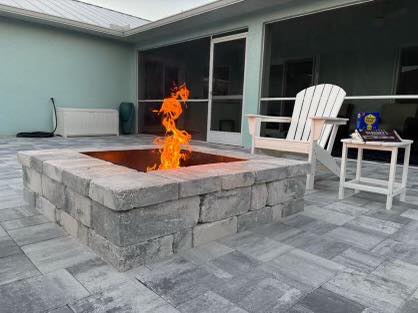
Gray paver patio with a custom stone fire pit installed by Native Scapes.
Beautiful gray paver patio featuring a professionally built stone fire pit.

A fire feature instantly becomes the heart of any patio. With the right design, paver fire pit ideas can turn a simple outdoor area into a warm, inviting space for entertaining, relaxing, and enjoying evenings year-round.

From classic circular pits to full patio fireplaces, pavers offer flexibility, durability, and timeless style.


Why Choose Pavers for Fire Pits?

Pavers are one of the most popular materials for outdoor fire features because they are:

  • Heat-resistant and durable
  • Available in many colors and textures
  • Easy to integrate with patios and walkways
  • Long-lasting in Florida weather

A well-built paver fire pit blends seamlessly into the surrounding hardscape.


Popular Paver Fire Pit Ideas

🔥 Circular Paver Fire Pits

Classic and social, circular fire pits encourage conversation and work well with curved seating walls.

🔥 Square & Rectangular Fire Pits

Perfect for modern patios, these clean-line designs pair well with contemporary paver patterns.

🔥 Raised Paver Fire Pits

Elevated fire pits improve heat distribution and create a dramatic focal point within the patio.


Paver Fire Pits With Seating Walls

One of the most functional paver fire pit ideas is incorporating built-in seating walls. These walls:

  • Define the fire pit area
  • Provide permanent seating
  • Reduce the need for outdoor furniture

Matching the wall pavers to the patio creates a cohesive look.


Fire Pit Placement on a Paver Patio

Proper layout matters. When planning a fire pit:

  • Maintain safe clearance from structures
  • Allow space for seating and walkways
  • Consider wind direction
  • Ensure proper drainage

Professional planning ensures safety and long-term performance.


Paver Patio Fireplace vs Fire Pit

A paver patio fireplace offers a more dramatic, vertical fire feature compared to a traditional pit.

Fire Pit

  • Social, open flame
  • Lower profile
  • Ideal for casual gatherings

Patio Fireplace

  • Strong visual focal point
  • Wind protection
  • Adds architectural interest

Both options add warmth and value — the right choice depends on space and style.


Gas vs Wood-Burning Fire Features

  • Wood-burning fire pits offer a classic campfire feel
  • Gas fire pits or fireplaces provide convenience and cleaner operation

Both can be built using pavers when properly designed with fire-rated components.


Why Professional Installation Matters

Fire features require:

  • Fire-rated materials
  • Proper ventilation
  • Stable foundations
  • Code-compliant construction

Professional installation ensures your paver fire pit or fireplace is safe, durable, and built to last.


Bring Your Fire Pit Vision to Life

From simple designs to fully custom builds, the right paver fire pit ideas can transform your patio into a true outdoor living destination. A paver patio fireplace adds warmth, beauty, and year-round enjoyment.

Native Scapes designs and installs custom paver fire pits and patio fireplaces, crafted for durability and Florida living.

Paver Edging: The Key to Long-Lasting Patios, Walkways & Driveways

Raised paver walkway and patio with retaining wall installed along side of Florida home by Native Scapes.
Native Scapes installed this elevated paver walkway and patio with a custom retaining wall for added support, structure, and curb appeal.

Paver edging is one of the most important — and most overlooked — parts of any paver installation. Without proper edging, even the best-looking patio or driveway can shift, spread, and fail over time.

From decorative paver borders to structural edge restraints for pavers, the right edging solution keeps your hardscape locked in place while enhancing its overall appearance.


What Is Paver Edging?

Paver edging refers to the materials installed along the edge of paving to prevent movement and maintain alignment. It serves both structural and decorative purposes.

Common applications include:

  • Patio paver edging
  • Driveway paver edging
  • Garden and landscape borders
  • Walkways and paths

Proper paver restraints ensure your surface stays level and intact.


Why Paver Edging Is Essential

Installing edging for paving stones offers several benefits:

  • Prevents pavers from spreading
  • Maintains clean lines and patterns
  • Supports heavy loads (especially driveways)
  • Reduces long-term maintenance
  • Enhances visual appeal

Without edging, joints widen, sand washes out, and surfaces shift.


Types of Paver Edging Options

There are several edging styles to choose from depending on use, load, and design.

Brick Paver Edging

Brick paver edging provides a classic, timeless look. It’s commonly used as brick landscape edging around patios, walkways, and gardens.

Best for:

  • Traditional designs
  • Decorative borders
  • Garden pavers and edgers

Concrete Pavers Edging

Concrete pavers edging offers strength and versatility. These edge pavers can be installed flush or raised for a defined border.

Best for:

  • Patio paver borders
  • Driveways
  • High-traffic areas

Plastic Edge Restraint for Pavers

Plastic paver edging is a flexible, cost-effective option that’s nearly invisible once installed.

Best for:

  • Curved pavers for edging
  • Walkways and garden borders
  • Budget-conscious projects

Common terms include plastic edging for pavers and plastic edge restraint for pavers.


Metal & Pavement Edging

Used for modern designs, pavement edging and paving edgers provide clean lines and strong restraint, especially where a low-profile edge is preferred.


Paver Borders & Decorative Edging

Decorative paver borders enhance contrast and define spaces.

Popular uses include:

  • Patio edge pavers for visual framing
  • Paver patio borders for pattern breaks
  • Paver trim for clean transitions

Borders can be straight, curved, or inset depending on layout.


Paver Edging for Driveways

Paver edging for driveways requires heavy-duty restraint due to vehicle loads.

Key considerations:

  • Reinforced edge restraints
  • Concrete or anchored restraints
  • Proper base depth

This is not an area to cut corners — structural edging is critical.


Landscaping & Garden Paver Edging

Paver landscape edging blends hardscapes into softscapes.

Common uses:

  • Pavers for edging gardens
  • Flower bed borders
  • Walkway transitions

This creates separation while maintaining a cohesive look.


How to Choose the Best Paver Edging

The best paver edging depends on:

  • Load requirements
  • Straight vs curved layout
  • Visual goals
  • Budget

A professional installer can recommend the right edging system for long-term performance.


Why Professional Installation Matters

Improper edging leads to:

  • Shifting pavers
  • Failed joints
  • Uneven surfaces
  • Costly repairs

Professional installation ensures correct anchoring, spacing, and durability.


Lock In Your Pavers the Right Way

From subtle edge pavers to reinforced edge restraints for pavers, proper edging protects your investment and completes the look of your hardscape.

Native Scapes installs professional paver edging and border systems for patios, driveways, walkways, and gardens — built to last in Florida conditions.

Patios With Retaining Walls: Creative Designs Using Pavers and Gravel

Newly installed gray stone paver walkway at a stair entrance by Native Scapes, featuring a clean curved edge design.
Custom gray paver walkway installed by Native Scapes with a smooth curved border for a clean, durable entrance.

Patios with retaining walls are a smart solution for creating usable outdoor space on sloped or uneven yards. When combined with flexible materials like pavers and gravel, these patios offer a balance of structure, drainage, and visual appeal.

Whether you’re building new or upgrading an existing space, blending retaining walls with a paver and gravel patio can deliver a durable and budget-friendly outdoor living area.


Why Retaining Walls Work So Well With Patios

Retaining walls allow patios to be installed where they otherwise wouldn’t be possible. They provide:

  • Structural support for elevation changes
  • Defined edges for patio areas
  • Improved drainage and erosion control
  • A clean, finished appearance

In many designs, retaining walls also double as seating or decorative borders.


What Is a Paver and Gravel Patio?

A paver and gravel patio combines solid paver surfaces with gravel-filled sections. This design creates visual contrast while improving drainage and reducing material costs.

Common layouts include:

  • Paver walkways surrounded by gravel
  • Framed patio spaces with gravel borders
  • Gravel patios with pavers as stepping zones or seating pads

This approach works especially well within retaining wall structures.


Benefits of Combining Pavers, Gravel, and Retaining Walls

When these elements work together, homeowners benefit from:

  • Better water drainage
  • Reduced soil movement
  • Lower overall project cost
  • Flexible design options
  • Natural-looking transitions

Gravel also helps relieve pressure behind retaining walls when properly designed.


Design Ideas for Patios With Retaining Walls

Tiered Patios

Multi-level patios use retaining walls to create separate zones for dining, lounging, or fire pits.

Framed Gravel Patios

Low retaining walls or seating walls frame gravel areas with paver insets for furniture stability.

Mixed-Material Layouts

Blend smooth pavers with decorative gravel for texture and contrast.


Walls That Complement Paver and Gravel Patios

The best walls for patios are designed to match the materials used in the patio surface.

Popular options include:

  • Segmental retaining wall blocks
  • Paver seating walls
  • Natural stone or textured concrete

Matching wall colors to pavers creates a cohesive, professional look.


Drainage & Structural Considerations

Proper drainage is critical for patios with retaining walls, especially when gravel is involved.

Key considerations:

  • Drainage rock behind retaining walls
  • Proper slope away from structures
  • Stabilized gravel areas
  • Edge restraints for pavers

Professional installation ensures long-term stability and performance.


When a Paver and Gravel Patio Makes Sense

This design is ideal for:

  • Sloped or uneven yards
  • Budget-conscious projects
  • Modern or natural landscape styles
  • Low-maintenance outdoor spaces

It’s also a great option for phased installations.


Build a Patio That Fits Your Landscape

From structured patios with retaining walls to flexible gravel patios with pavers, the right design can turn challenging terrain into a functional outdoor retreat.

Native Scapes specializes in custom patios, retaining walls, and mixed-material designs, built to last in Florida conditions.